A thematic statement for the book, JDATE (John Dies At The End), is that when a person does drugs, terrible consequences might follow. In the novel, the beginning of David's story is when he and John take the Soy Sauce drug and becomes addicted to the deadly, black substance that burrows into them. Almost instantly, they start their journey filled with lots of problems, violence, and death. One example of a consequence from the drug is that John overdoses and dies the next day. Also, David gets "side effects" which causes him have crazy physic powers. This might seem really cool to you, but he describes them as horrible effects that make him go insane and last forever. David Wong could never go back to his earlier, simpler life, even if it was so boring and depressing.
He Drifts To Another Dimension And Is Feeling
Insane And Paranoid
Wong Accidentally Injects Soy Sauce Into His Veins
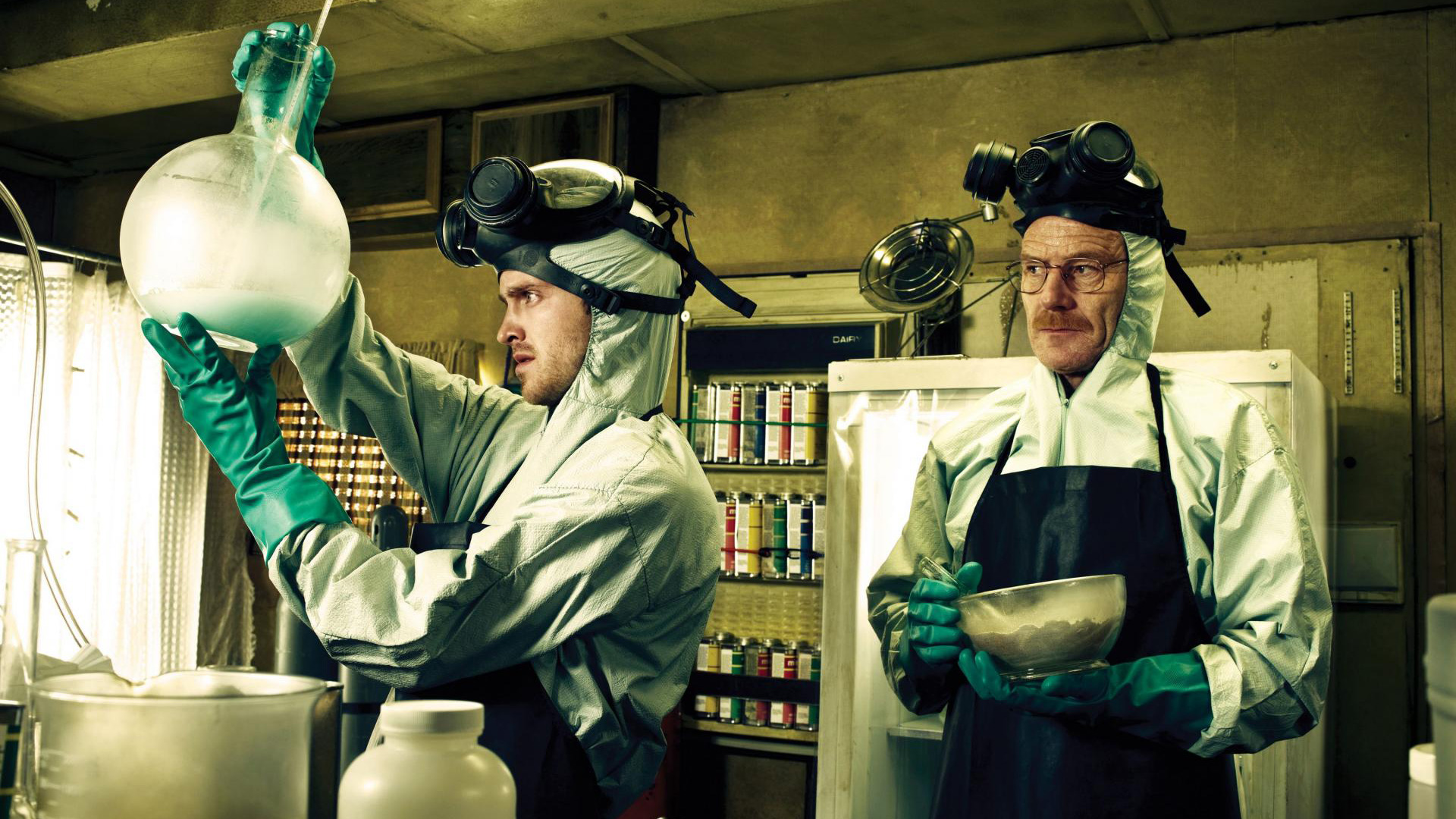
This theme relates to real life because the Soy Sauce can be symbolized by a real, harmful, and dangerous drug like cocaine, crystal meth, or ecstasy. When an addict takes these drugs in the real life, many consequences happen. They could become a completely different person: unsocial, lazy, crazed, violent, unhygienic, and many other terrible traits. Drugs also cause relationships to be torn apart and can cause potentially great lives to be ruined. A text to text comparison I made is from JDATE to Breaking Bad. When John takes the drug in the story, he dies and Dave is traumatized. This ruined their lives and relationship just like in one of my favorite TV shows, Breaking Bad, where Walter White becomes a crystal meth cook and slowly destroys his family and relationships of everyone he loves. This is why this thematic statement is an underlying theme for JDATE and other stories alike.
I thought that I would take a break from talking about the book briefly and tell you guys about the writer of the book I am currently reading, John Dies at the End. His name is real name is Jason Pargin, but he writes under a pseudonym, David Wong (just like the main character of the book.) However, the character is not based off himself. He was born in 1975, making him 38 years old. He is a humor writer and has written 2 books in a series: JDatE (John Dies at the End) and This Book is Full of Spiders. He is also the senior editor and columnist for Cracked.com, a website dedicated to posting humorous articles.
Jason Pargin a.k.a David Wong
The funny thing is that he actually grew up in Illinois, but his pen name, Wong, is a very common Chinese last name. Jason writes as Wong because he wanted to keep his blogging and personal life separate, however know because he has become famous, it only takes a Wikipedia search to find his true identity. JDatE was originally written as a web series for his old website, "Pointless Waste of Time.com", in 2001 and slowly transformed into a novel in 2007. The book has also been adapted into a movie by director Don Coscarelli, but like most books made into movies, it is not as humorous nor entertaining as the writing. The writing style of this author is very humorous and dark. A lot of the comedy comes is black comedy and comes from the main character's always paranoid thoughts. I am a fan of this author now because of this book and will probably read the sequel to this book when I am finished with it.
I have just started a new book called "John Dies At The End." It is a very humorous book, if you couldn't tell by the bizarre title, but it is also a horror. The main character is named Dave Wong and he is the narrator of the story making it a first-person point of view. A quick summary of what has gone down so far is that Dave is telling his story to a reporter in a Chinese food restaurant. He starts off by stating that he went to a party with John. He met a Jamaican man named Bob Marley who shocked him with his physic powers. Bob Marley gives John the drug that makes you physic called Soy Sauce and he seems to go insane. The next day at work, a police officer named Morgan Freeman takes both of them in for questioning and John dies. What do you think will happen next? Comment your answer in the comments section below.
The characterization in this book develops or impacts the plot. If John wasn't as crazy, curious, or always partying as hard as he did, John wouldn't have stayed after the party to talk to Bob Marley. This means that neither John nor Dave would've taken the Soy Sauce and the story would never have happened. Overall, this story is very interesting and intriguing. I haven't been bored at all throughout the hundred pages I've read and it makes me laugh on almost every page. I would recommend it greatly so far and if you don't want to read it because you are a slacker, the movie is also on Netflix:
In Robopocalypse, by Daniel H. Wilson, there are many examples of how the author uses characterization. The complex characters in the novel develop over time, they interact with other characters through actions and dialogue, and advance the plot.
In the story, many characters are described that play key parts in the plot. Most are dynamic characters that change over time. An important character in the book that develops over the story is Takeo Nomura. He is a japanese mechanic who specializes in robots. Before the war starts he is a very shy, anti-social, and introverted person as shown on page 36 - "Around the factory everybody knows that Mr. Nomura is a weirdo, a freak. Such a tiny, twisted little troll. He shuffles around the work floor with his beady eyes behind round spectacles, pointed always at the floor." However, later in the book he becomes a brave and fearless hero to be able to stand up to the robot attack. An example of this is on page 151, where he thinks to himself, "But I know that if there is danger, I must see it and confront it and understand it. If not for my sake, then for Kiko's. She is helpless right now, and I am helpless to fix her. I must protect her until I am able to break the spell she is under."
The complex characters also interact with others in the story. The war is started by a man named Dr. Nicholas Wasserman who creates Archos, the robot who sends out the virus to other machines and begins the uprising. When Archos is turned on, Dr. Wasserman begins experimenting with it by talking and answering its questions. While they are talking, Archos gains so much intelligence that he comes up with the idea to exterminate the human race because he believes they are destroying the nature of the world. Here is a quote of when they are talking and when Archos begins the war on page 20: "'Do not worry, Professor. You have unleashed the greatest good that this world has ever known. Verdant forests will carpet your cities. New species will evolve to consume your toxic remains.' 'No, Archos. We can learn. We can work together.' 'You have expired. You have accomplished what you were designed to do.'" This quote shows that if Archos never existed to talk to the Dr. and become smarter, it never would've plotted the plan to send out the virus and destroy mankind.
Lastly, the characters in the novel advance the plot. Without any of the characters in the story, no events would happen, meaning there would also be no plot. The way that they react to things happening in the book also make a chain of other events follow. A very significant character in the story is Cormac Wallace. In the beginning, he finds an information cube that holds all of the history of the war. "The cube is dense with information, like some fossilized brain that's sucked up entire human lifetimes and packed them inside itself, one after another, tighter and tighter. At some point during the night it dawns on me that I'm watching a meticulous history of the robot uprising." (page 7) Without him finding this cube, we would never know all the stories of the war which means the plot would never advance and there wouldn't be much of a story. These three examples from Robopocalypse show that the author used characterization to develop the story and make it more interesting.
A Robopocalypse Article I found online is someone's review of the book. It was a very positive review and the person loved the novel. "Once it started, the action never stopped... this is extremely believable stuff. I never once thought of Robopocalypse as science fiction." The person is also very excited to see if they make it into a movie.